
Understanding the Benefits of Using a Demo Trading Account in Forex
If you’re new to Forex trading, one of the most effective ways to gain experience is by using a demo trading account forex Trading JO. A demo account provides an ideal platform for practicing trading strategies without the financial risks associated with live trading. In this article, we will explore the various aspects of demo trading accounts, their importance, and how they can enhance your trading skills.
What is a Demo Trading Account?
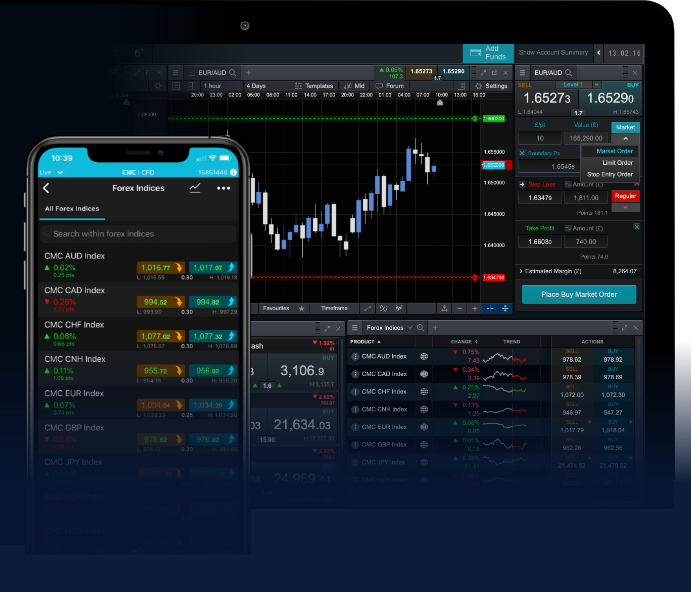
A demo trading account is a virtual trading platform offered by brokers, which simulates real market conditions. It allows traders to experiment with various trading strategies and tools using virtual currency. This means that traders can make gains or losses without affecting their actual financial resources. Demo accounts typically reflect the same features and tools available in live trading accounts, making them an invaluable tool for both beginners and experienced traders.
Benefits of Using a Demo Trading Account
1. Risk-Free Trading Environment
The foremost benefit of a demo trading account is that it provides a risk-free environment. This allows traders to make mistakes and learn from them without losing real money. New traders can familiarize themselves with the platform’s interface, tools, and features, building confidence before transitioning to a live account.
2. Practice Trading Strategies
Demo accounts are ideal for practicing various trading strategies. Traders can test out different approaches, whether trend following, scalping, or swing trading, without worrying about their financial implications. This experimentation is crucial for developing personalized trading strategies that suit individual trading styles.
3. Understanding Market Dynamics
Trading in the Forex market requires a solid understanding of market dynamics, including how news and events can affect currency prices. Using a demo account helps traders observe and analyze market behavior in real-time. They can experiment with how different market conditions affect their trading outcomes and adjust their strategies accordingly.
4. Familiarization with Trading Platforms
Each broker has its own unique trading platform, and getting accustomed to the features and functionalities can take time. A demo account allows traders to become accustomed to their broker’s platform, ensuring they know how to place orders, set stop losses, and utilize analytical tools effectively before trading with real money.
5. Building Emotional Resilience
Trading psychology is a crucial aspect of successful trading. Many new traders experience anxiety, fear, and emotional decision-making when they start trading live. A demo trading account allows them to practice trading without the emotional pressure of real money at stake. This practice can help them develop emotional resilience and better manage their emotions when they begin trading with actual funds.
How to Choose the Right Demo Trading Account
Choosing the right demo trading account is essential for maximizing its benefits. Here are some factors to consider:
1. Broker Reputation
Select a broker with a solid reputation and good reviews. Research their practices, customer support, and overall service quality. A reputable broker ensures that your demo experience closely mirrors that of a live trading account.

2. Features and Tools
Look for demo accounts that offer a range of features and trading tools, such as charting capabilities, technical indicators, and news feeds. The more features available, the better you can prepare for real trading conditions.
3. Duration of the Demo Account
Some demo accounts come with a set expiration date, while others remain open indefinitely. Depending on your learning pace, choose a demo account that offers a duration that meets your needs.
4. Copy Trading and Social Trading Options
Some platforms allow for copy trading or have social trading networks where traders can learn from more experienced participants. These features can provide valuable insights and enhance your learning experience.
Transitioning from Demo to Live Trading
Once you feel confident with your strategies and have a solid understanding of the trading platform through the demo account, it’s time to transition to a live trading account. Here are some tips for making the switch:
1. Start Small
Start with a small amount of capital that you can afford to lose. This will help you ease into live trading and reduce the psychological impact of trading with real money.
2. Apply What You’ve Learned
Try to apply the strategies, techniques, and insights you gained during the demo trading phase. Stick to your trading plan and avoid deviating based on emotional reactions.
3. Keep a Trading Journal
Maintain a journal to track your trades, strategies, and emotional responses. This will help you identify areas for improvement and adjust your strategies over time.
4. Continuously Educate Yourself
The Forex market is dynamic, and continuous learning is essential. Stay updated with market news, attend webinars, and engage with trading communities to enhance your education.
Conclusion
In conclusion, a demo trading account is an essential tool for anyone looking to venture into Forex trading. It allows traders to build confidence, develop strategies, and gain valuable insights into market dynamics without any financial risk. By utilizing a demo account effectively, traders can pave the way for successful trading in the live markets. Remember to choose the right broker, practice diligently, and eventually transition carefully into live trading to maximize your success in the Forex market.
